Commercial General Contractor

Pencor serves as your commercial general contractor from the first established set of drawings through certificate of occupancy. Bring your architect’s plans, and we take it from there with one team managing every phase and one price you can count on.
What Happens From the Day You Hand Us Your Plans to the Day You Take the Keys

Pencor’s general contracting process runs in three stages: we price from your drawings and commit before a trade is on site, we manage every phase of the build as your single point of accountability, and we don’t close the project until the punch list is clear and occupancy is in hand.

  • We Price From Your Drawings and Commit Before Anyone Moves

    Once we have your architect’s drawings, we bid the project and present a guaranteed maximum price before the first subcontractor is coordinated. That number accounts for every trade, every permit fee, and every inspection through certificate of occupancy. If something surfaces that we didn’t account for, it’s our problem to solve.

  • We Build the Schedule, Pull the Permits, and Coordinate Every Trade

    Before groundbreaking, we build a full construction schedule tied to your occupancy target, submit permit applications across the relevant North Georgia municipalities, and sequence every trade in the order the project requires.

  • We Catch Problems Before They Make It Into the Walls

    Throughout the build we check work against your drawings at every phase and flag anything that doesn’t match before the next trade covers it. By the time we walk the punch list with you before handover, the items on it should be minor, not discoveries.

Bring Us Your Finished Plans and Leave With a Price Before Anyone Breaks Ground

Tell us what you have and where your drawings stand. We’ll give you a committed number before the first trade is on site.

What a Pencor General Contracting Project Actually Feels Like for the Owner

One point of contact from the day we receive your drawings to the day we hand over the keys. No handoffs to subcontractors, no referrals to the field team, no gap in accountability between whoever bid the job and whoever is running it. When something needs an answer, there’s one number to call and one team responsible for the outcome.

We Flag Constructability Problems Before They Reach the Field

An architect designs the building as it should work. Our job is to build it the way the field actually allows. Before groundbreaking, we review your drawings for details that look right on paper but create conflicts during construction, and bring them to your design team while there’s still time to resolve them at no cost. That review is standard on every general contracting project we take on.

When Something Unexpected Surfaces, You Hear About It Before We Move

Construction encounters things the drawings didn’t anticipate. What separates contractors is whether they tell you when it happens or hand you a change order after the decision is already made. We identify the issue, bring you the options, and get direction before the field moves forward. You stay in control of the decisions that affect your budget. We stay accountable for executing what you approve.

Case Study

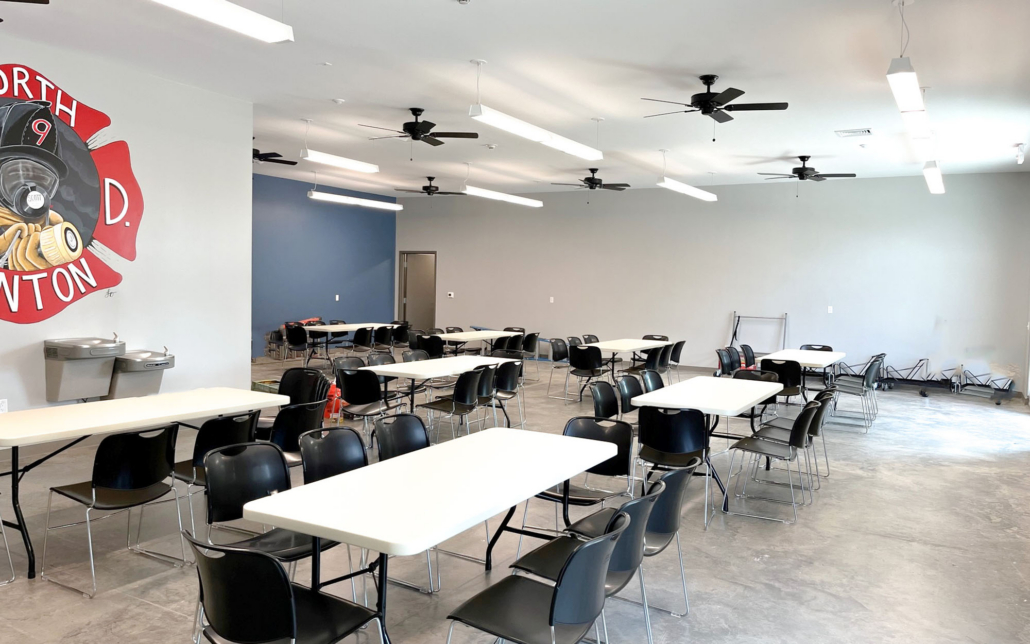
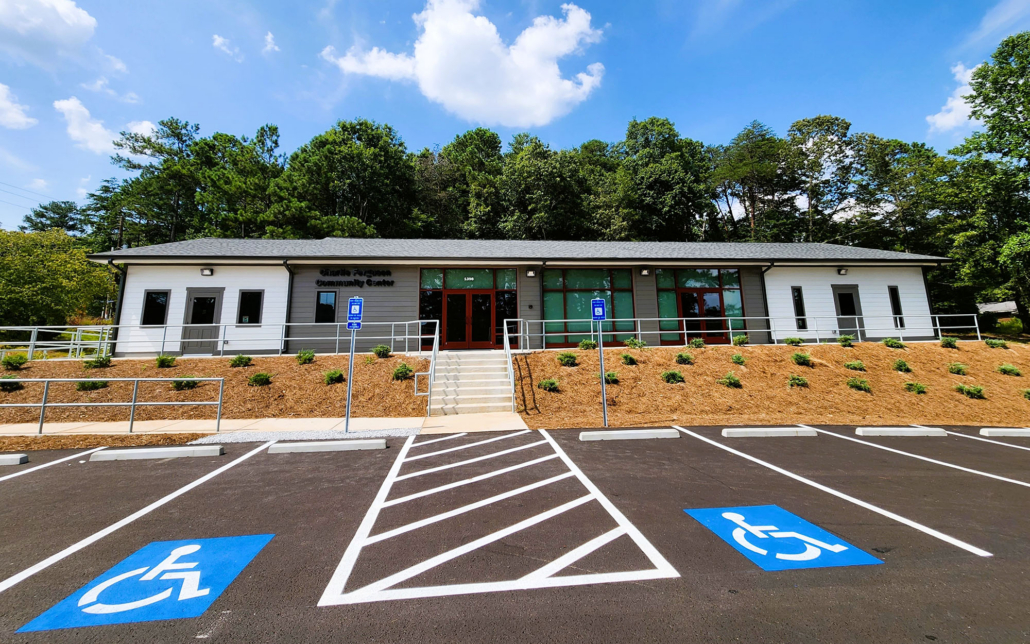
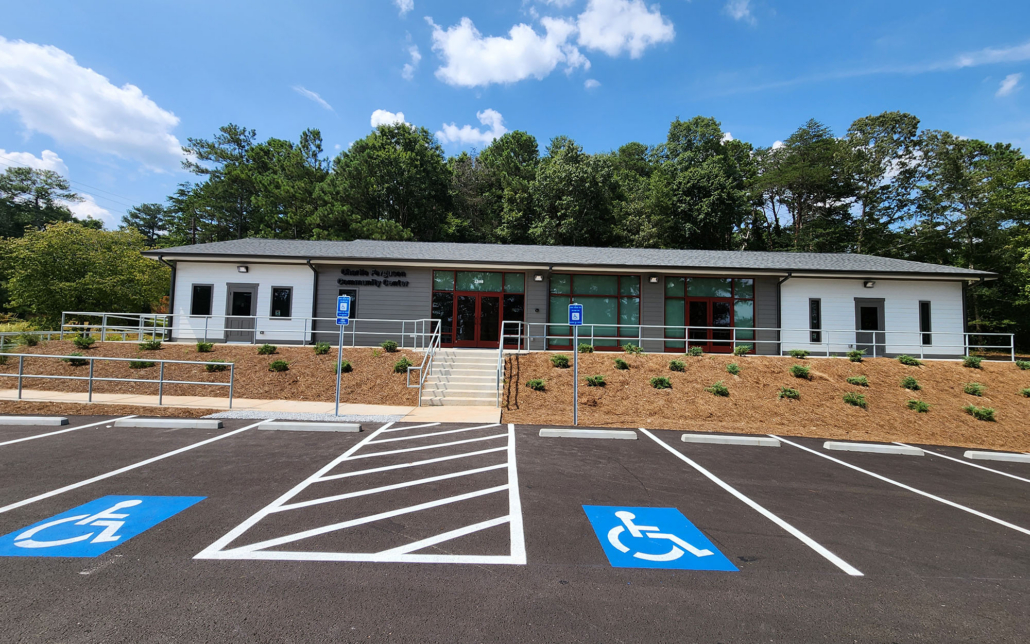
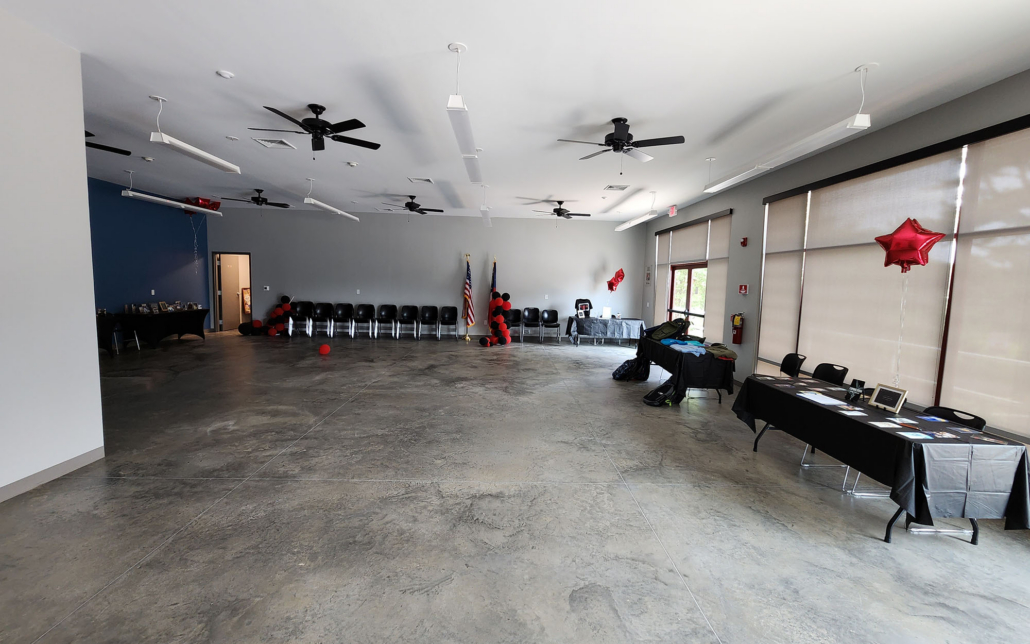
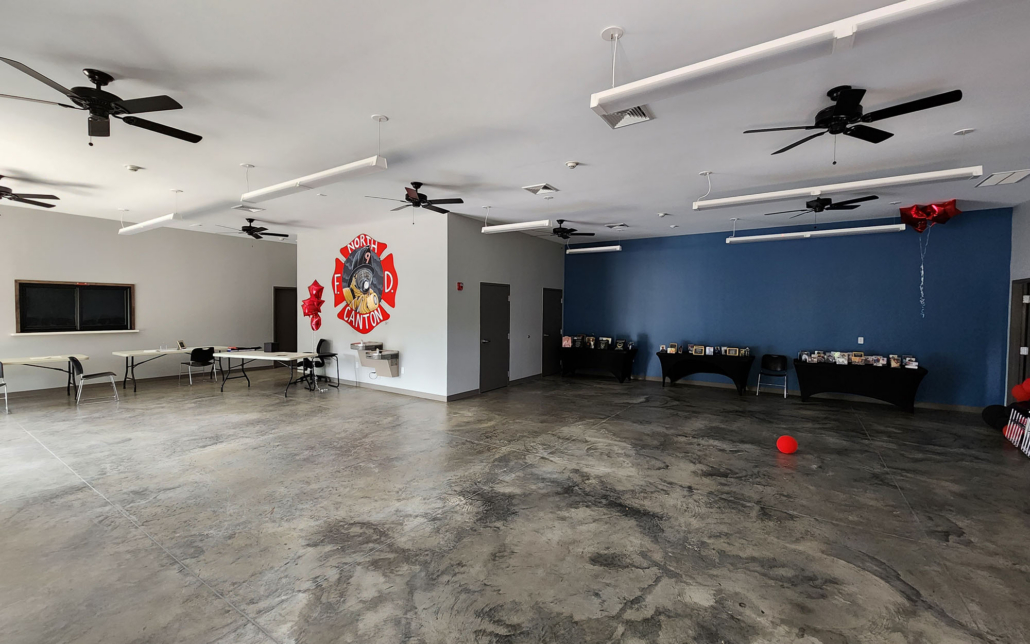
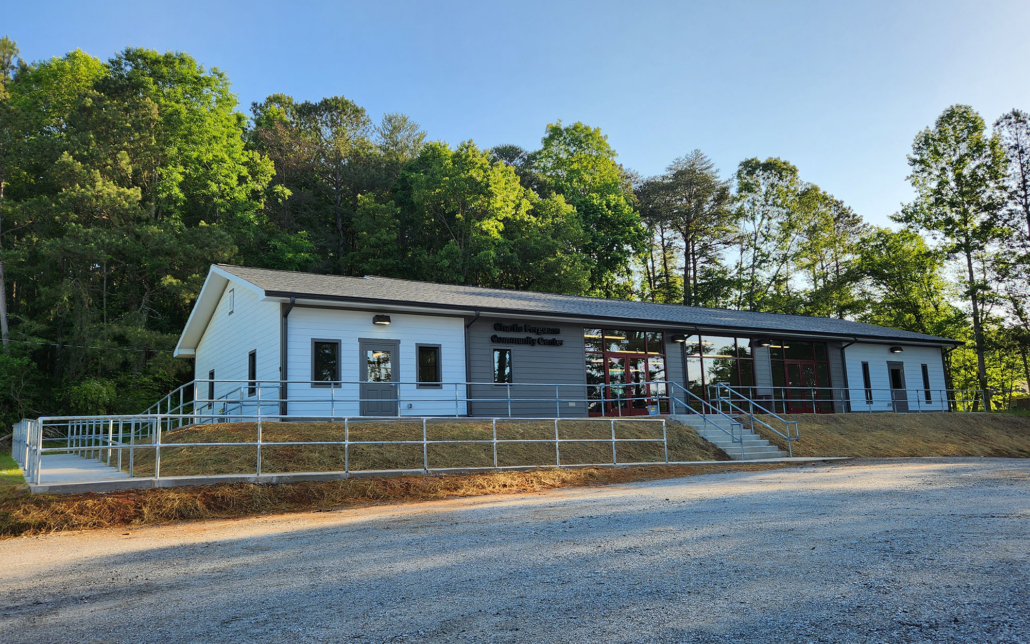
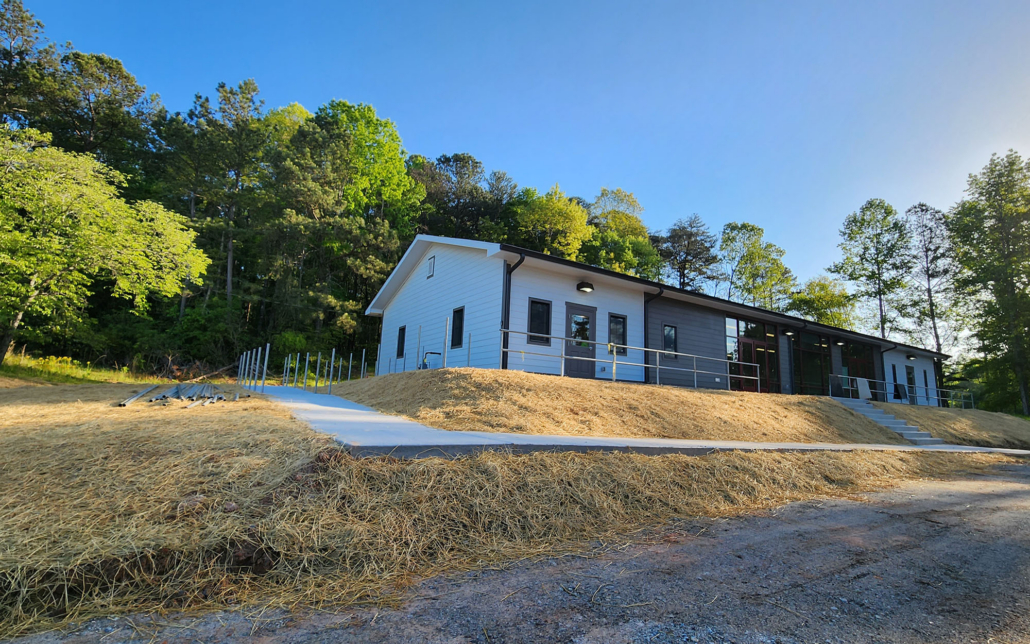
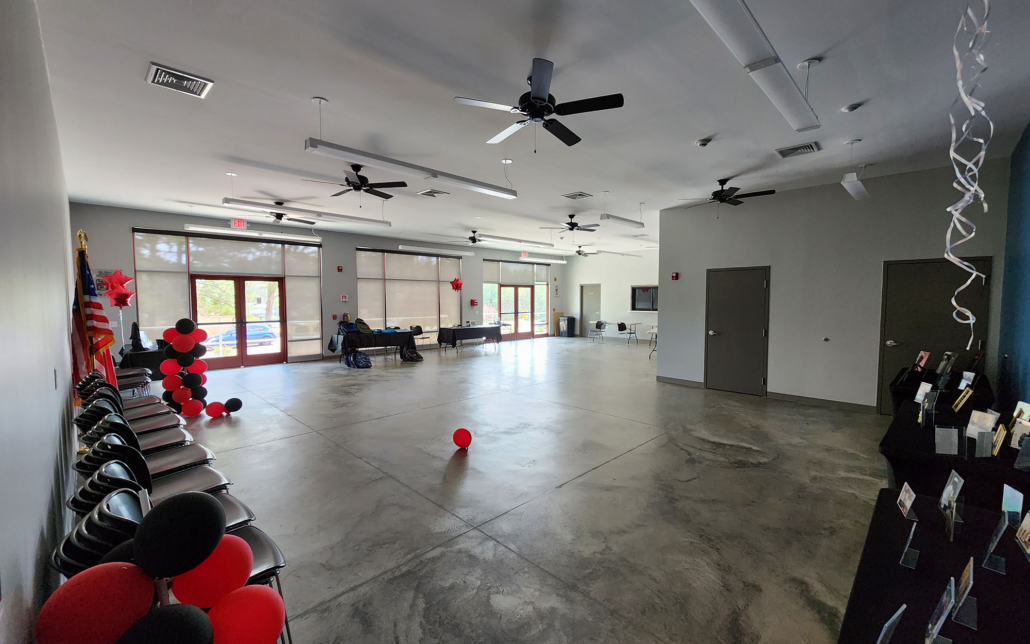
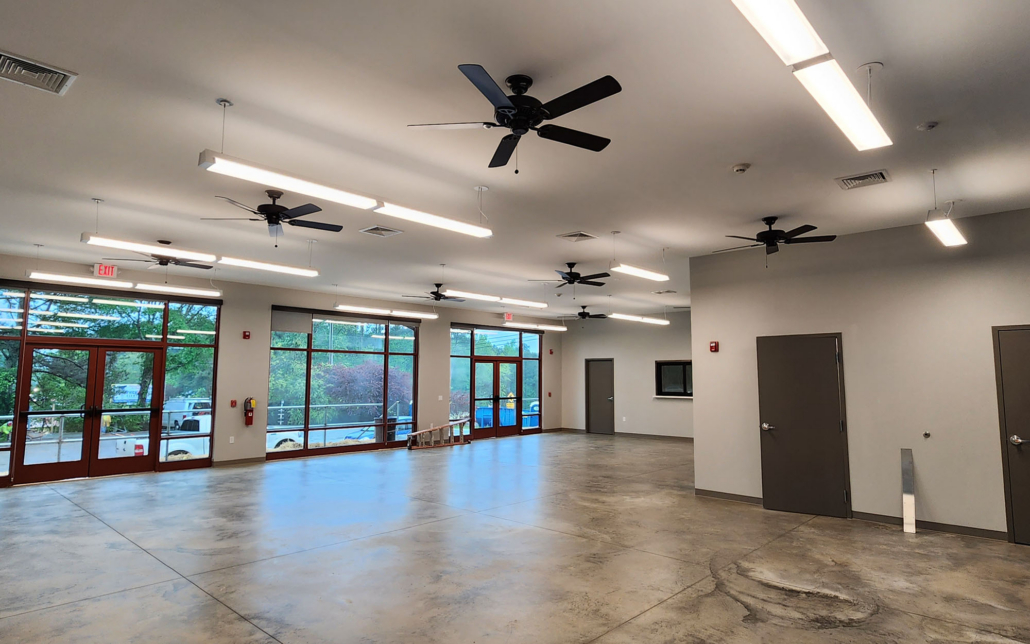
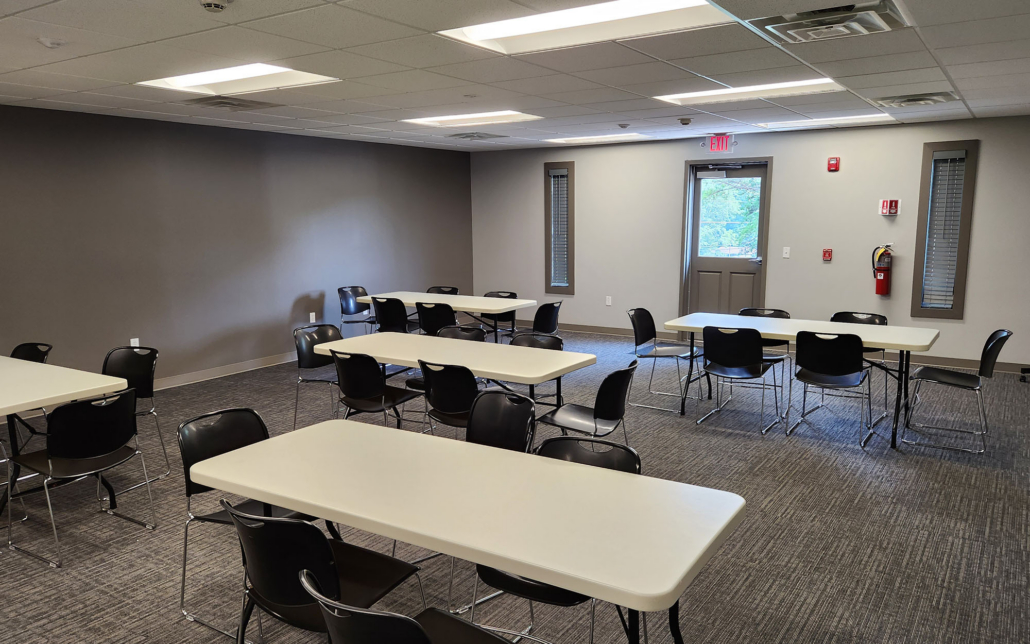
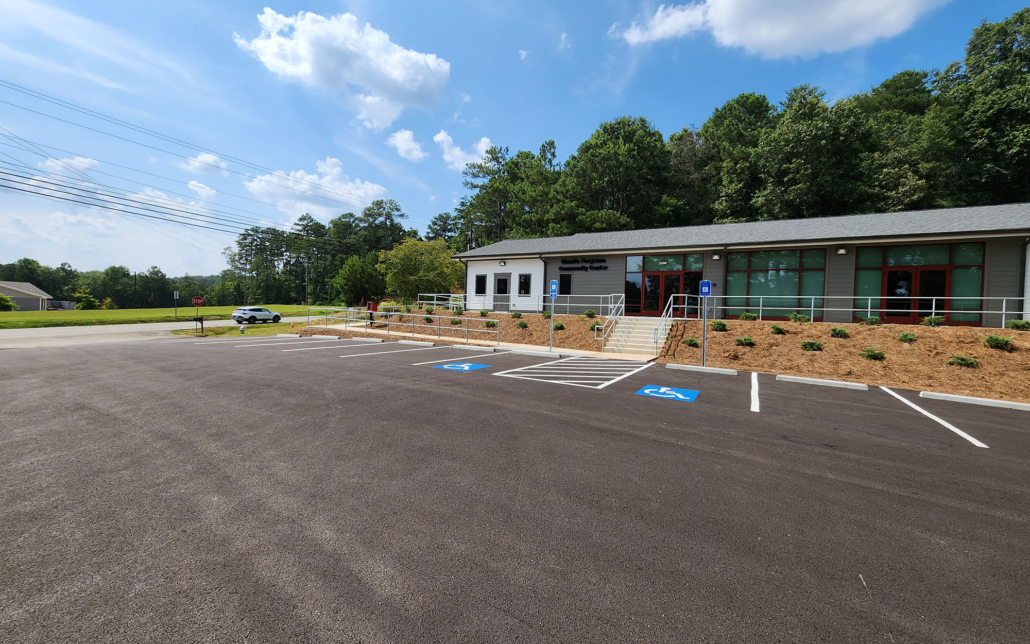
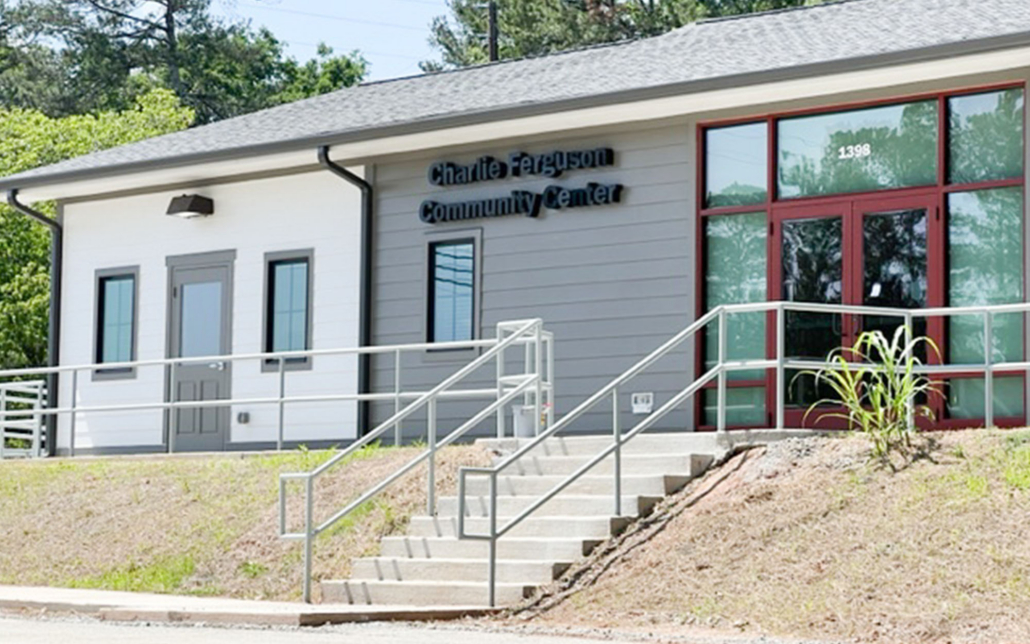
Cherokee County Pea Ridge Community Center

The Pea Ridge Community Center was a public facility Cherokee County had committed to delivering. Construction was underway when a structural investigation revealed a problem no one had planned for: the existing structure wasn’t going to hold. Repairing it, under the original design, would have cost more than the entire project budget.

  • Challenge: Cherokee County was caught between two bad options. Walking away meant abandoning a facility the community was counting on. Moving forward with the original repair approach meant spending more to fix the problem than the project was budgeted to cost in the first place. There was no clear path to a finished building.
  • Solution: We came back to the county with a third option they hadn’t considered: tear it down and rebuild it differently. By redesigning the structure and changing the building approach in coordination with the architect, we could deliver a new building for less than the structural repairs alone would have cost. The county didn’t have to choose between abandoning the project and blowing the budget. They just had to say yes.
  • Result: Cherokee County said yes. The facility was delivered on time and within the original project budget. The community got the building that had been promised to them.

What Our Clients Say About Working With Pencor

Property owners, developers, and county governments from Alpharetta to Athens, Cherokee County, and Dawson County share what it’s actually like to work with us from the first set of drawings to the final walkthrough.

“Pencor Construction brought experience, integrity, solutions, and care to our construction projects. Their willingness to help achieve our project goals from budgeting and planning through construction and warranty has been exemplary.”

— Michael Eberhart, VP of Operations, No Longer Bound

Frequently Asked Questions

Pencor bids from an established set of drawings complete enough to accurately scope and price every trade. If you’re not sure whether your drawings are ready, bring them in and we’ll tell you what we need before committing to a number.

Yes, if scope doesn’t change. If something unexpected surfaces during construction, we bring you the options and get direction before the field moves, not after the work is done and a change order is already written.

That’s Pencor’s problem to solve. We manage every subcontractor relationship directly and we’re accountable for their performance on your project, which is why you have one point of contact rather than a list of vendors to track.

No. We run the build so you don’t have to manage it. We flag decisions that require owner input and bring you in at the moments that matter, not every trade conversation.

Find Out What Your Project Will Actually Cost

Tell us what you’re planning to build and where you are in the process. We’ll give you a straight answer on what it takes to get there.

"*" indicates required fields