Historic Renovation

Not every old building should come down. Pencor has rebuilt 112-year-old structures from the inside, brought them to current code, and positioned them for another century of use without sacrificing the character that made them worth keeping.
Preserve What Matters With Pencor

Historic renovation requires a contractor who understands that the exterior character, the original materials, and the features that make the building worth saving aren’t negotiable. We’ve managed that balance on buildings over a century old, working alongside architects of record and multiple stakeholders to deliver finished spaces that respect the original structure and perform the way modern occupancy requires.

  • Built to Code and Built to Last Another Century

    Historic buildings weren’t built to current ADA accessibility requirements, fire and life safety, or structural load standards. We design code compliance into the existing structure from the inside, working around original materials and systems rather than defaulting to the demolition-and-rebuild approach a new building would allow.

  • Protecting What Defines the Building Before Construction Starts

    Historic concrete, original masonry, old-growth timber framing, and original plaster systems each require different approaches to reinforcement, waterproofing, and integration with new systems. We identify what has to be preserved, what can be reinforced, and what can be replaced before the build sequence begins so nothing is discovered mid-construction that forces a decision you weren’t prepared for.

  • Historic Additions That Integrate With the Original

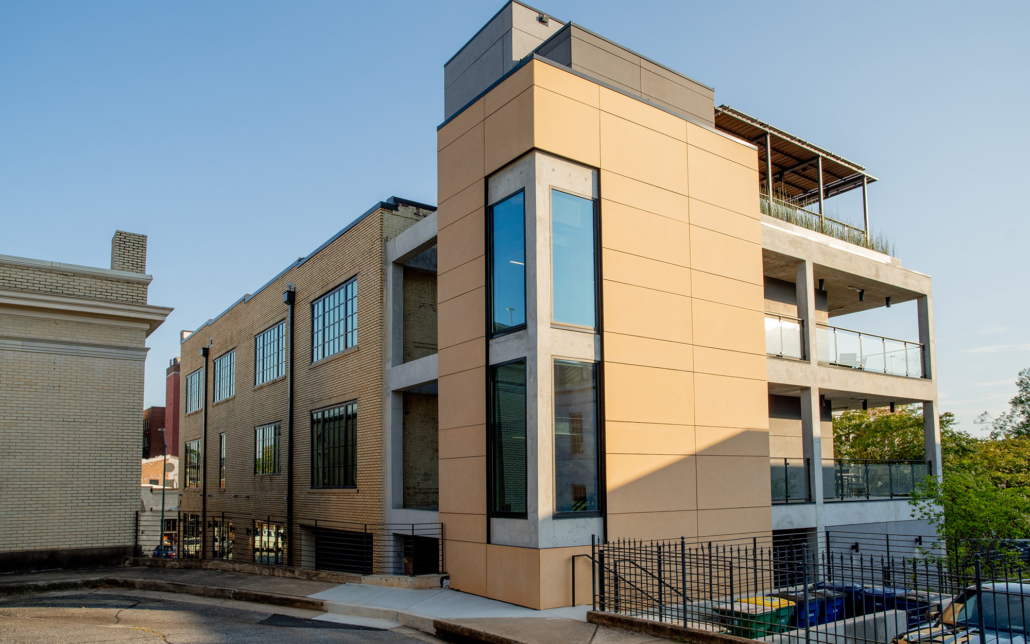
    Adding to a historic building gives you elevator access, accessibility-compliant egress, and expanded square footage without triggering a loss of historic character or historic tax credit eligibility. We integrate additions onto century-old structures while keeping the historic exterior intact so the building gains what it needs without sacrificing what makes it valuable.

Schedule a Consultation and Find Out How Pencor Can Preserve Your Building

Tell us what the property is, how old it is, and what you need it to become. We’ll tell you what preservation requires, what code compliance involves, and what the renovation will realistically take.

Two Historic Projects Across Two Very Different Scopes

Every historic renovation carries different constraints, different funding requirements, and different preservation standards. Here are two projects where the building’s history was as important as its future.

The 345, Atlanta: Historic Motel to Affordable Housing

The Danzig Motel, one of the only African-American-owned motels in Atlanta, sat abandoned for over 20 years before City of Refuge partnered with Pencor on a $2 million renovation. The result was The 345, a 31-unit three-floor affordable housing community serving veterans, men in recovery, and young adults on Atlanta’s Westside.

The Costa Building, Athens: Publicly Funded Commercial Rehabilitation

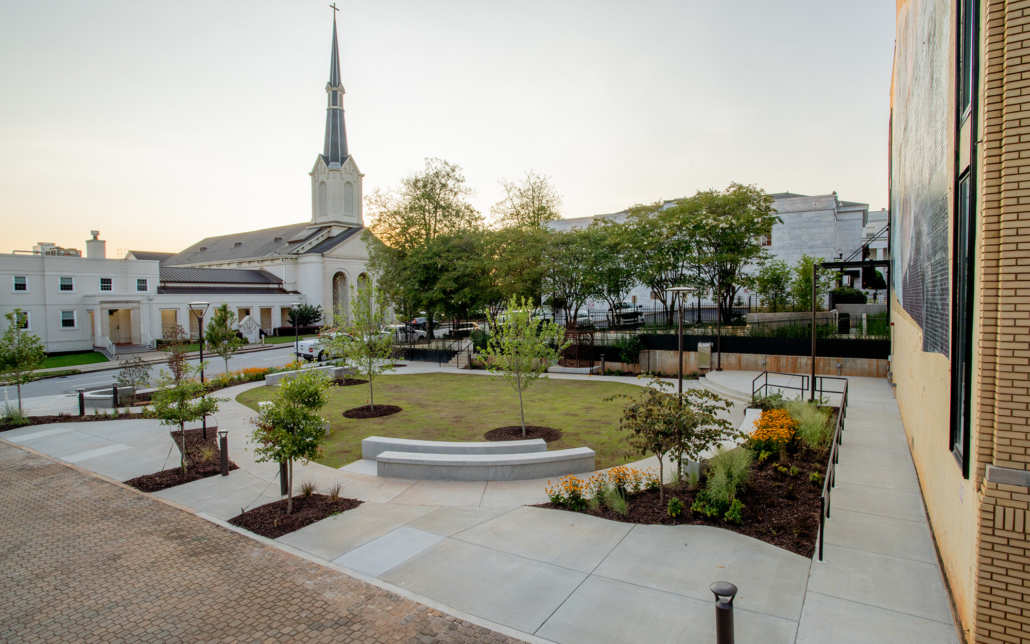
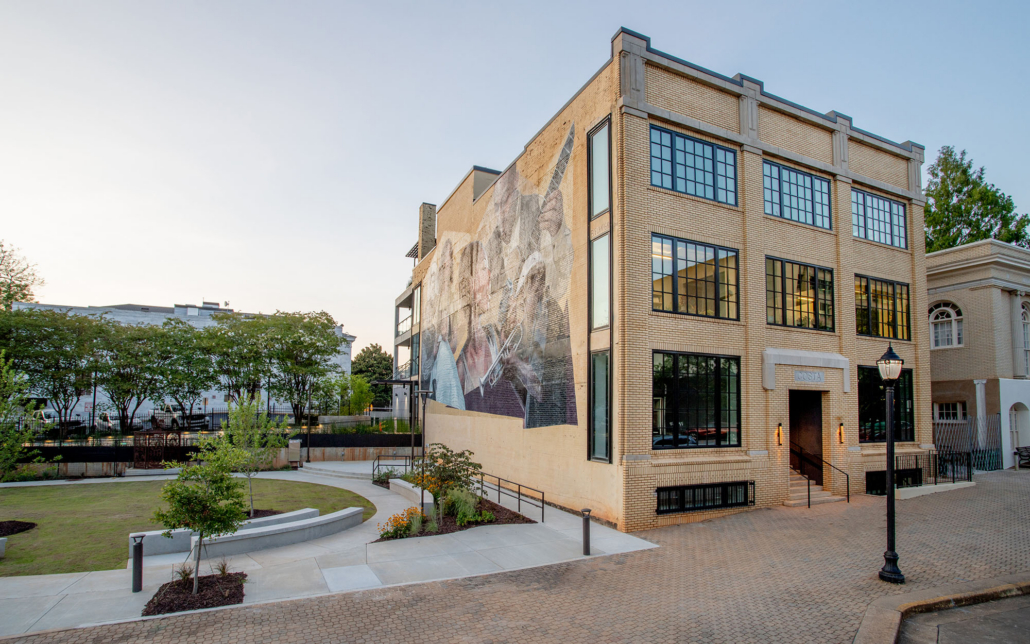
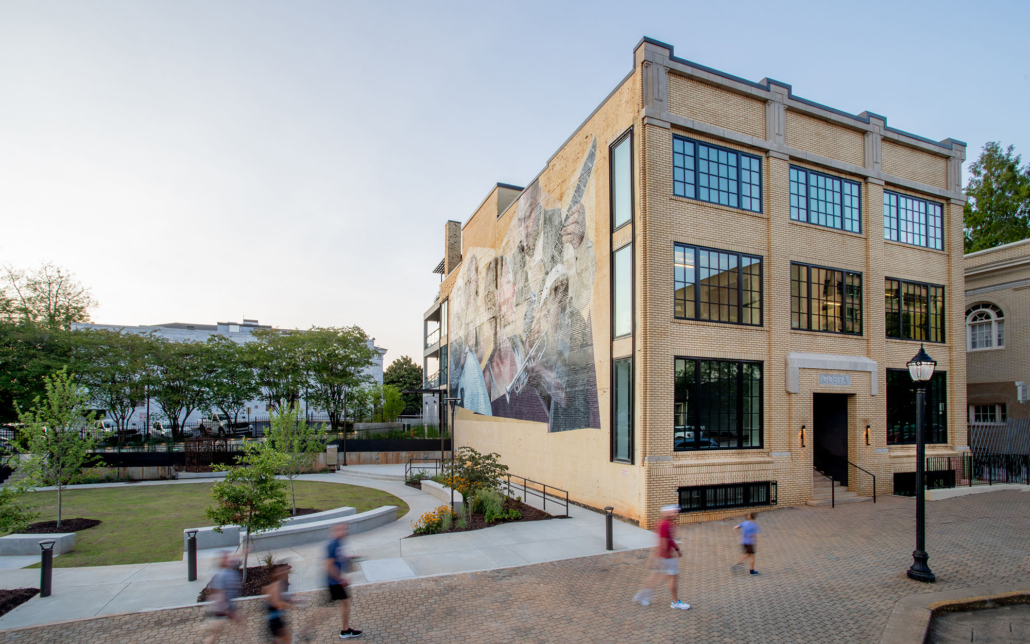
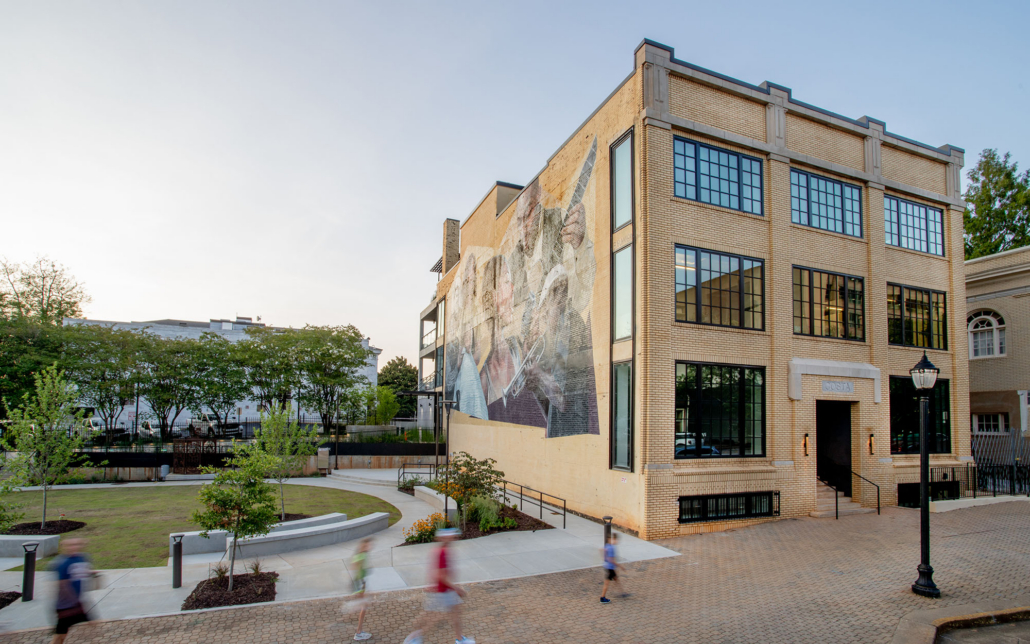
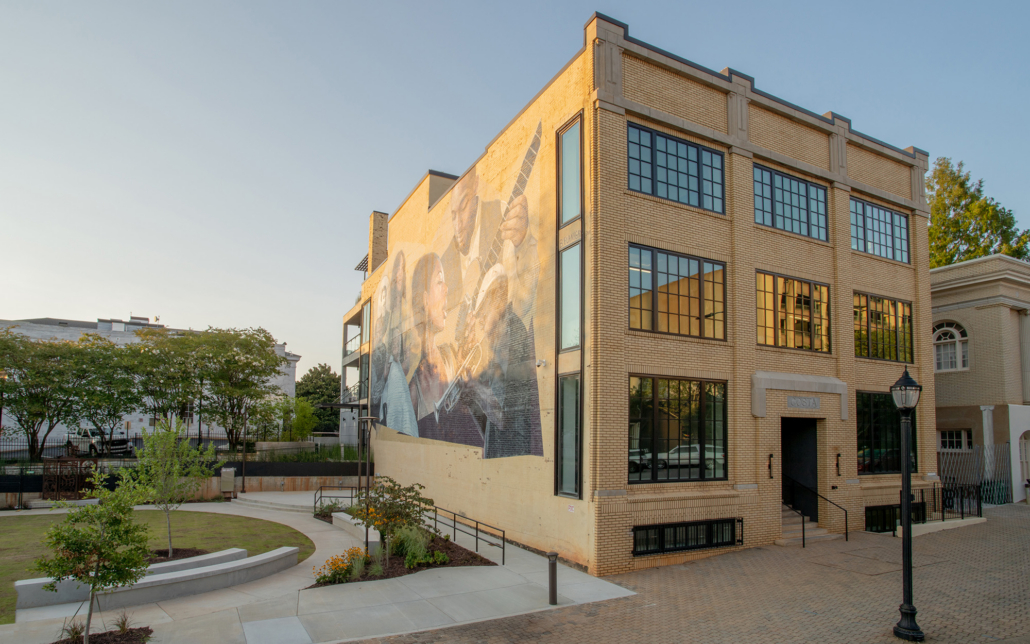
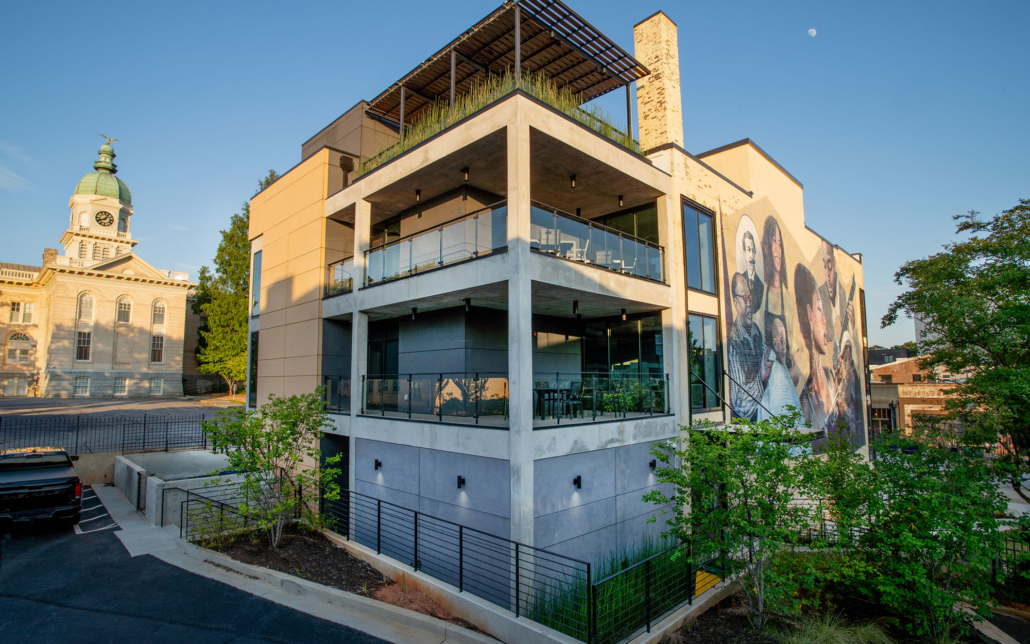
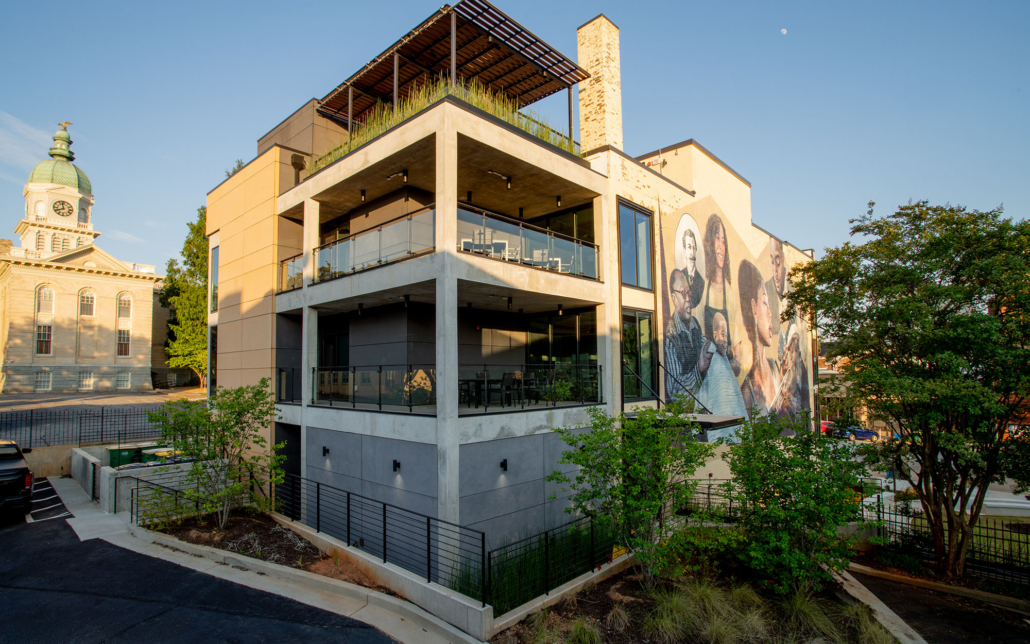
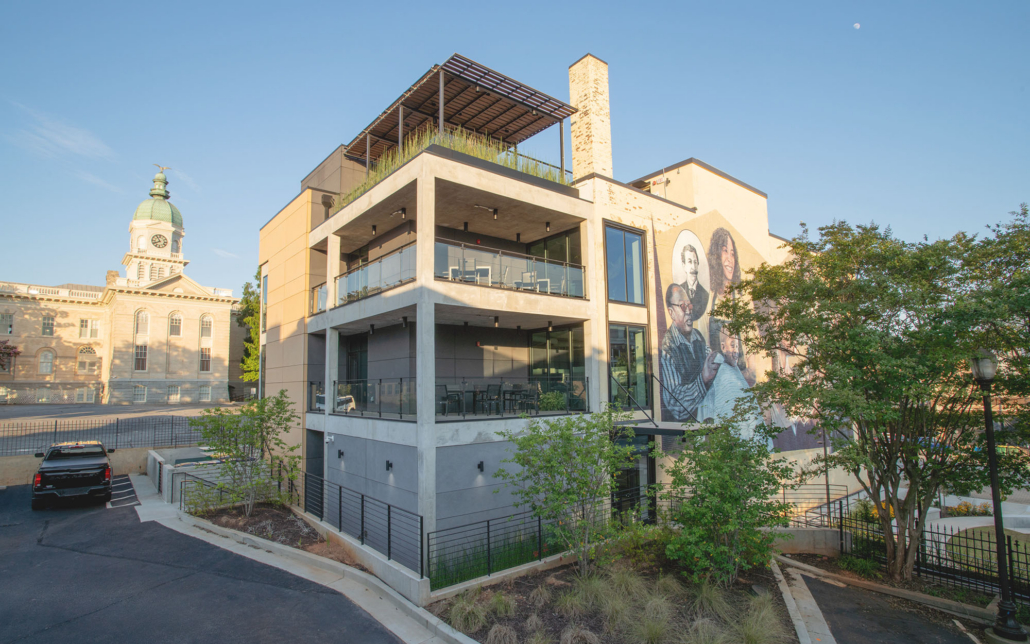
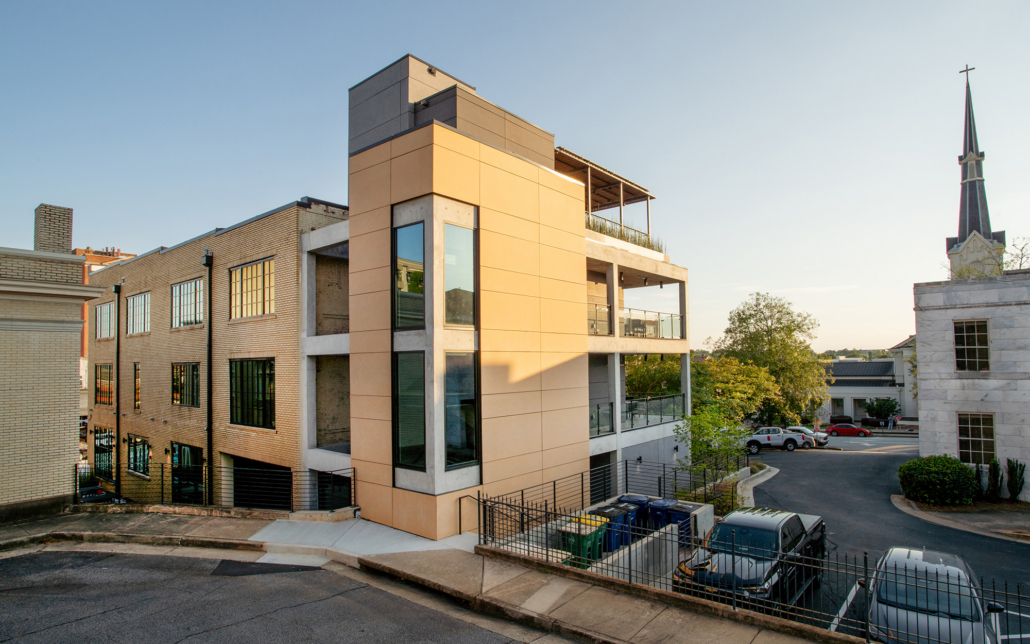
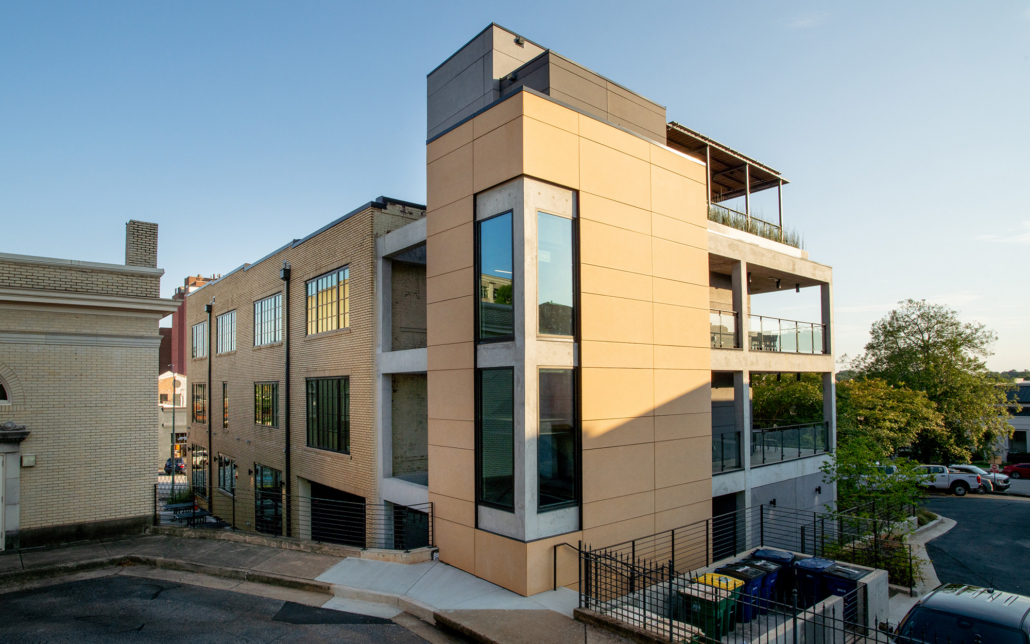
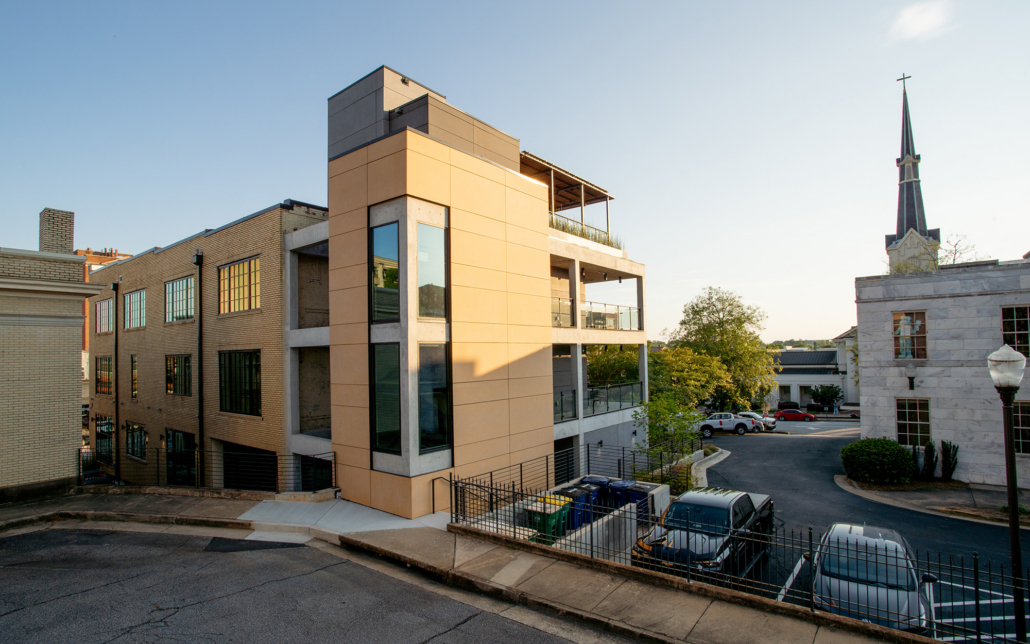
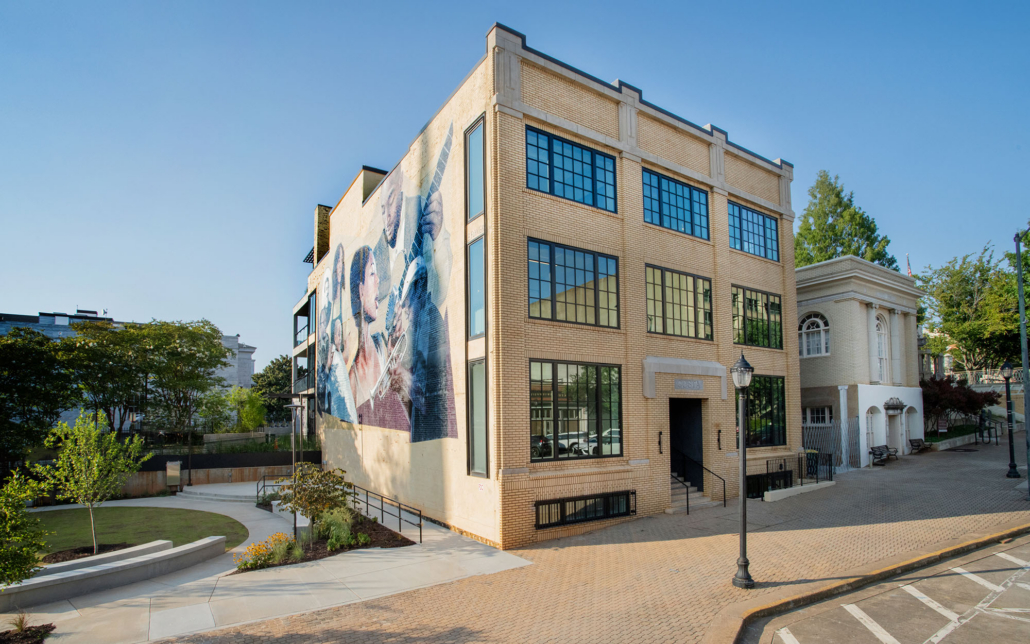
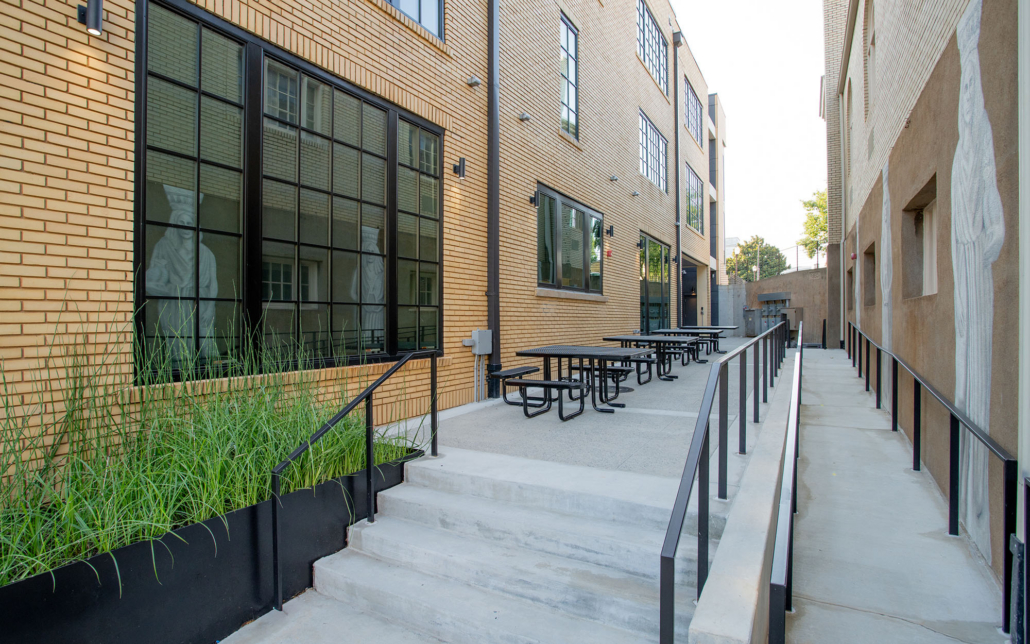
The Costa Building is a $7.1 million rehabilitation of a 15,000-square-foot, 112-year-old concrete structure for Athens Clarke County, funded through Special Purpose Local Option Sales Tax. The project delivered white-box office fit-out and a 2,500-square-foot addition while maintaining the exterior character of a building in the heart of downtown Athens.

Case Study

The Costa Building, Athens, GA

Athens Clarke County needed a 112-year-old concrete structure rehabilitated for modern commercial use without altering the historic exterior of a building at the center of downtown Athens. The project was publicly funded through Special Purpose Local Option Sales Tax, carried multiple stakeholder approval requirements, and demanded a construction approach that could work through challenges in a structure that had never been built to modern standards.

  • Challenge:Rehabilitating a 112-year-old concrete building for white-box office use while adding 2,500 square feet of new space required working through structural, life safety, and accessibility requirements in a building where every system had to be replaced and every decision had to preserve an exterior the historic review process required to remain unchanged.
  • Solution:We managed the full rehabilitation in close coordination with Architectural Collaborative as architect of record, working through construction challenges as they surfaced, coordinating across multiple stakeholder approval layers, and maintaining the project schedule through a complex downtown site with constrained access and preservation requirements at every phase.
  • Result:The project was delivered on time and within budget. The architect of record described the collaboration as nothing but positive throughout a build he called one of the most challenging he had worked on.

What the Architect of Record Said About Working With Pencor

“They have displayed professionalism, attention to detail, and a partner-teamwork approach to addressing issues that have arisen during construction. The Costa Building renovation has proven to be challenging, yet the cooperation and collaboration we have had with Pencor has been nothing but positive as we work through the challenges together.”

— Gabriel Comstock, AIA, LEED AP, Principal, Architectural Collaborative

Frequently Asked Questions

Adaptive reuse converts a historic building from its original purpose to a new one while preserving its architectural character. Pencor has delivered adaptive reuse projects across Northern Georgia.

Yes. Historic renovation work on designated properties involves coordination with local, state, and sometimes federal preservation authorities, and we manage those relationships as part of the project scope.

Yes. The Costa Building is a publicly funded historic renovation for Athens Clarke County, financed through a Special Purpose Local Option Sales Tax allocation, and Pencor understands the approval layers, procurement requirements, and documentation that public funding requires.

We work with the architect of record before construction begins to define which elements of the historic fabric must be preserved, then build the construction sequence around protecting them. On the 112-year-old Athens project, that meant fully rebuilding the interior while maintaining the exterior character and material integrity Athens Clarke County required.

Find Out What Your Project Will Actually Cost

Tell us what you’re planning to build and where you are in the process. We’ll give you a straight answer on what it takes to get there.

"*" indicates required fields